Route Directory
All Routes
A curated, non-commercial directory of unique walking, hiking, and cultural routes across Turkey — researched and written personally by NESRİN KARSAVURAN.
Ten Routes to Walk
Turkey's Great Walking Routes
From the turquoise shores of the Aegean to glaciated summits above the Black Sea — each route is a different chapter of one country's extraordinary story.
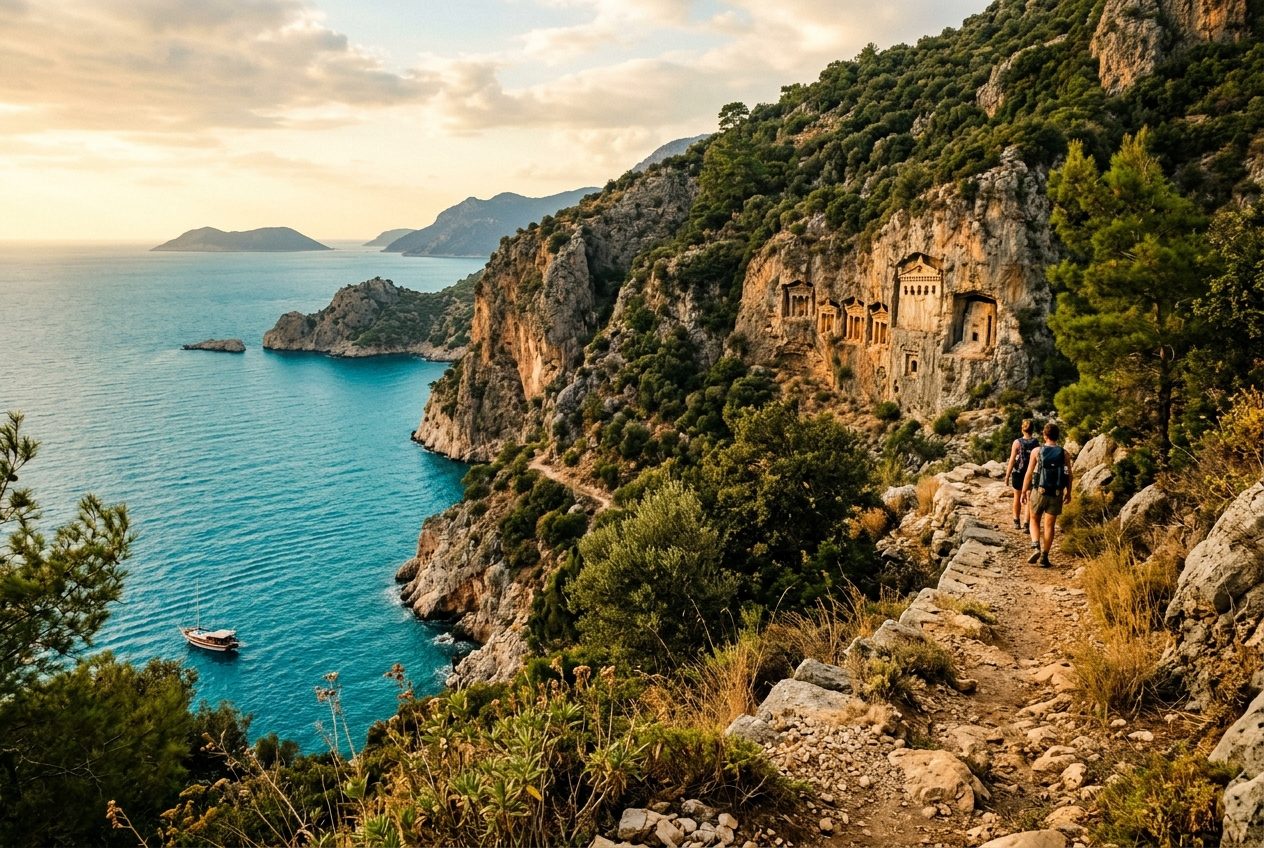
Lycian Way
One of the world's great long-distance trails, the Lycian Way winds between ancient ruins, turquoise coves, and clifftop villages along Turkey's southwestern shore. It stitches together some of the most dramatic coastal scenery in the Mediterranean.
St. Paul Trail
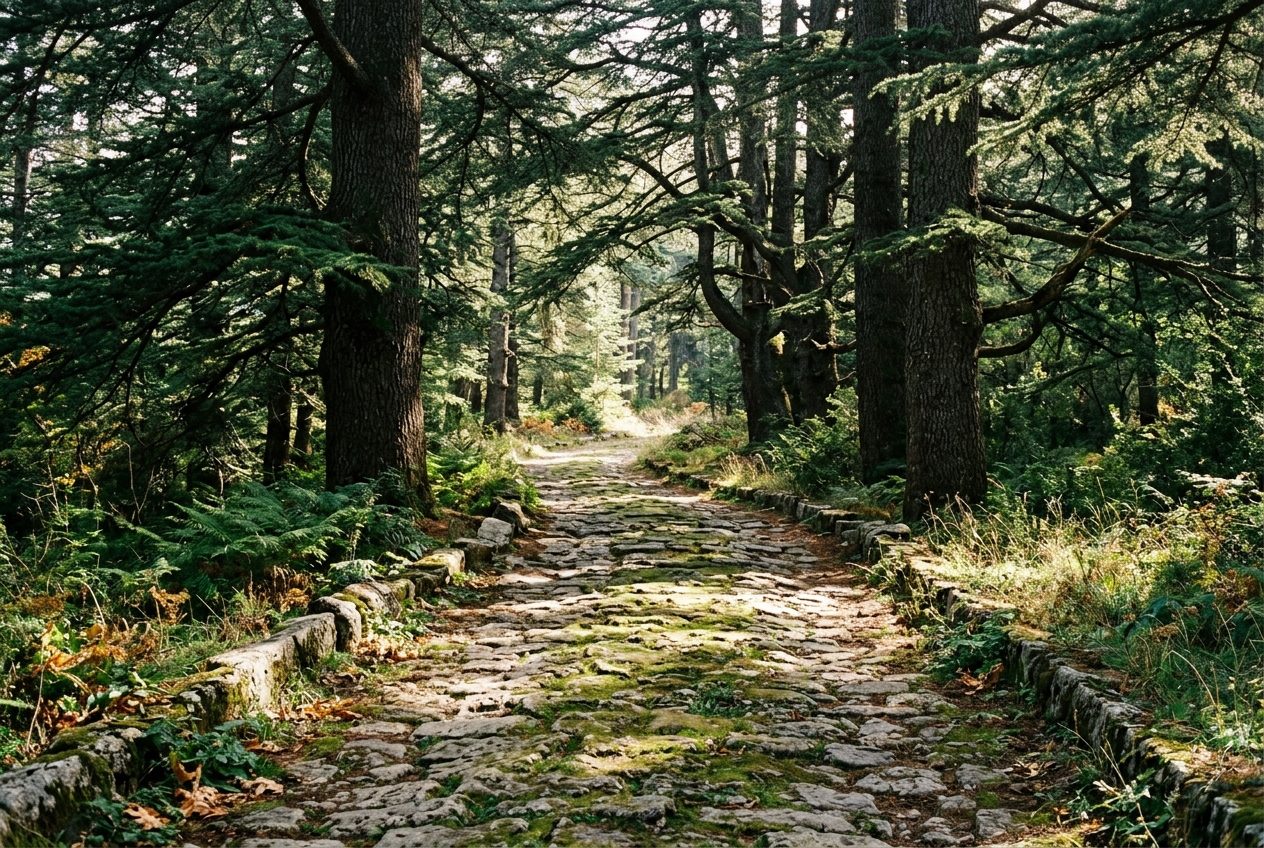
Following the missionary journeys of the Apostle Paul from the Mediterranean coast up into the Central Anatolian plateau, this trail is a profound encounter with ancient history and wild upland scenery. It crosses cedar forests, Roman roads, and forgotten Byzantine villages.
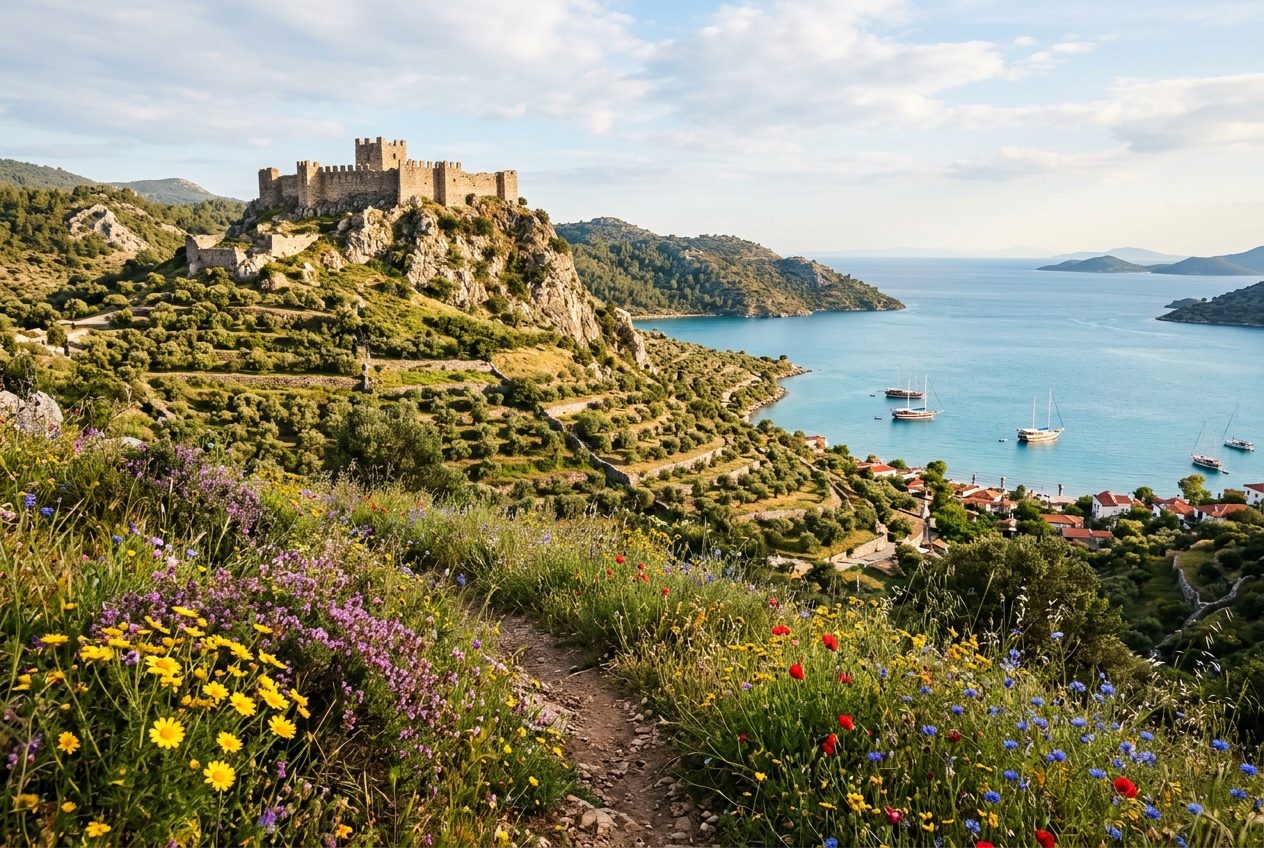
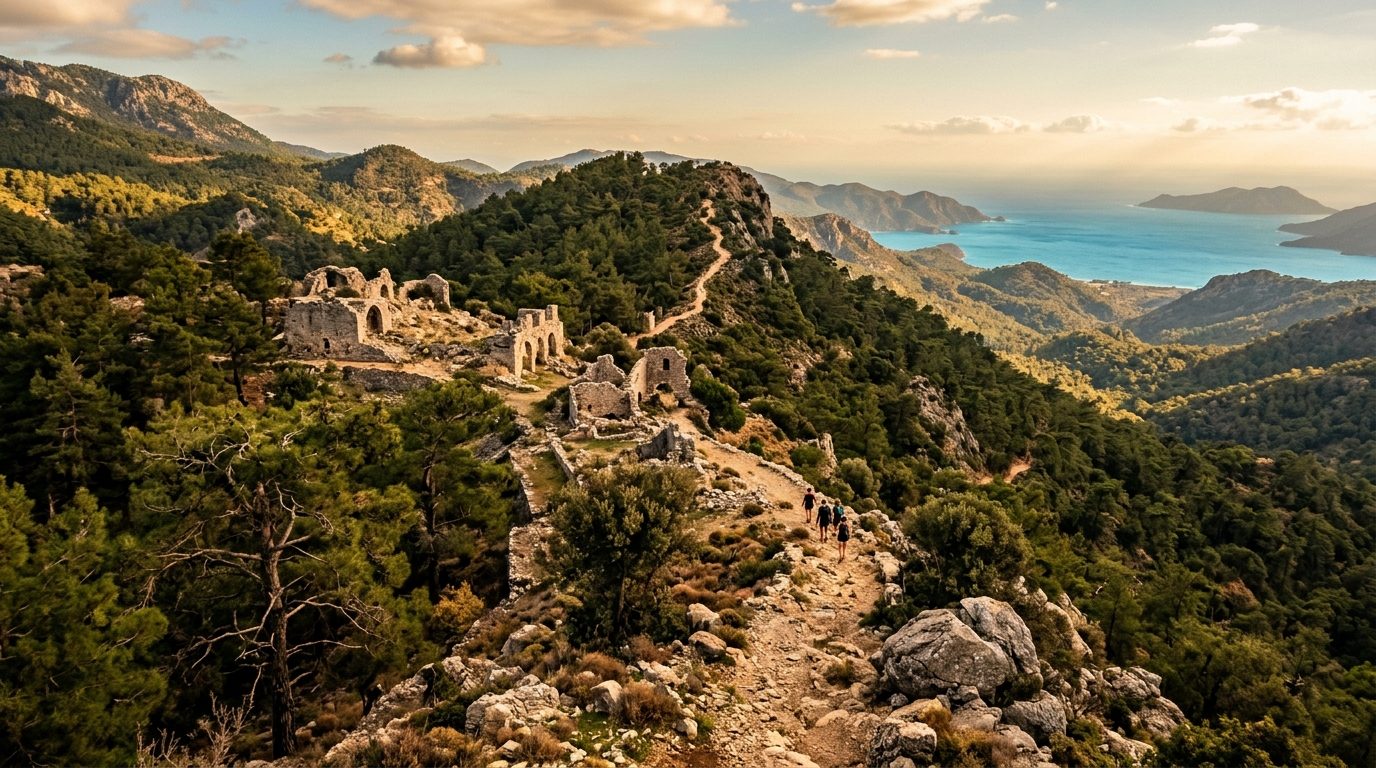
Carian Trail
Turkey's longest waymarked trail threads through the ancient kingdom of Caria, combining deserted Aegean bays with hilltop castles, olive groves, and the ruins of cities most visitors never find. The trail is quiet, varied, and astonishingly rich in unsung archaeology.
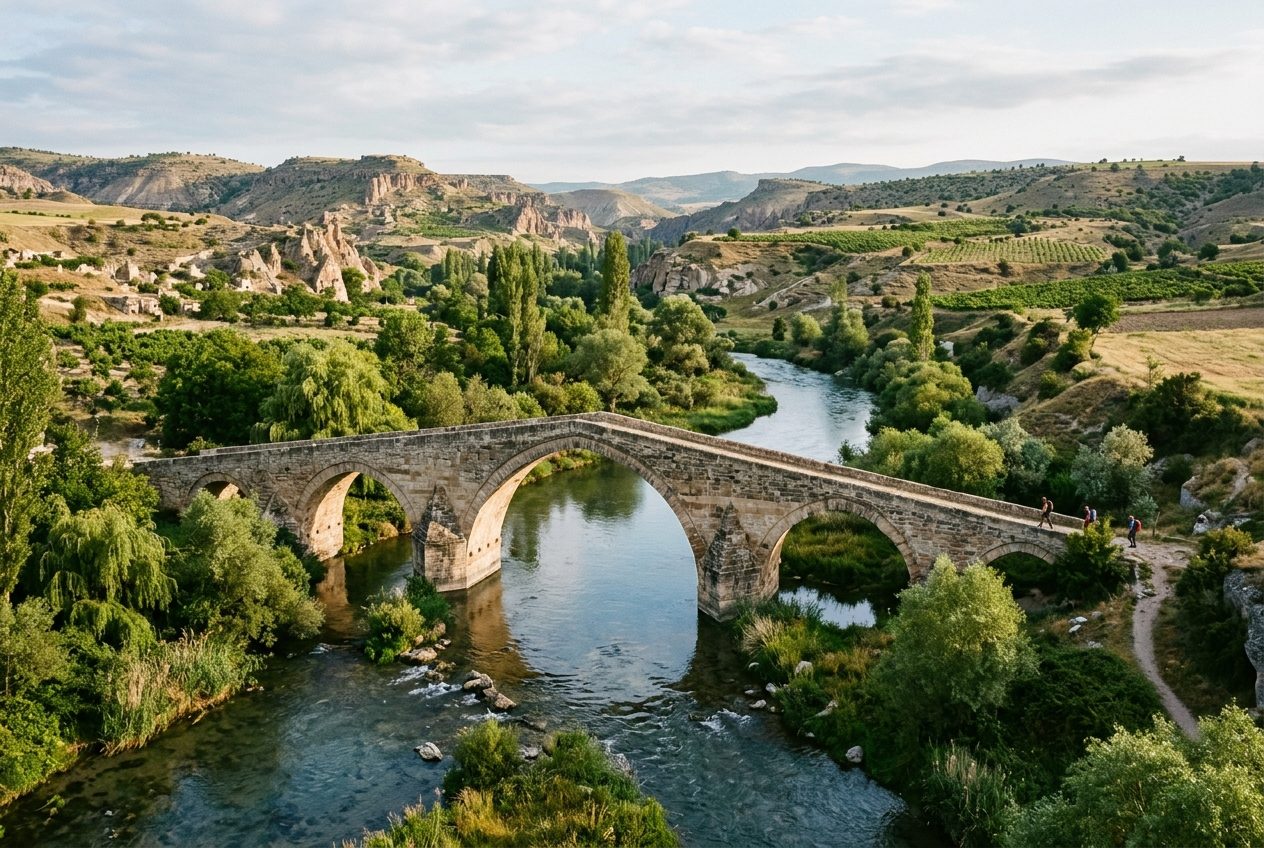
Evliya Çelebi Way
Named for the great 17th-century Ottoman traveller, this route recreates part of Evliya Çelebi's epic journey through northwest Anatolia, combining Ottoman heritage, Phrygian valleys, and rolling pastoral landscapes largely unknown to foreign visitors.
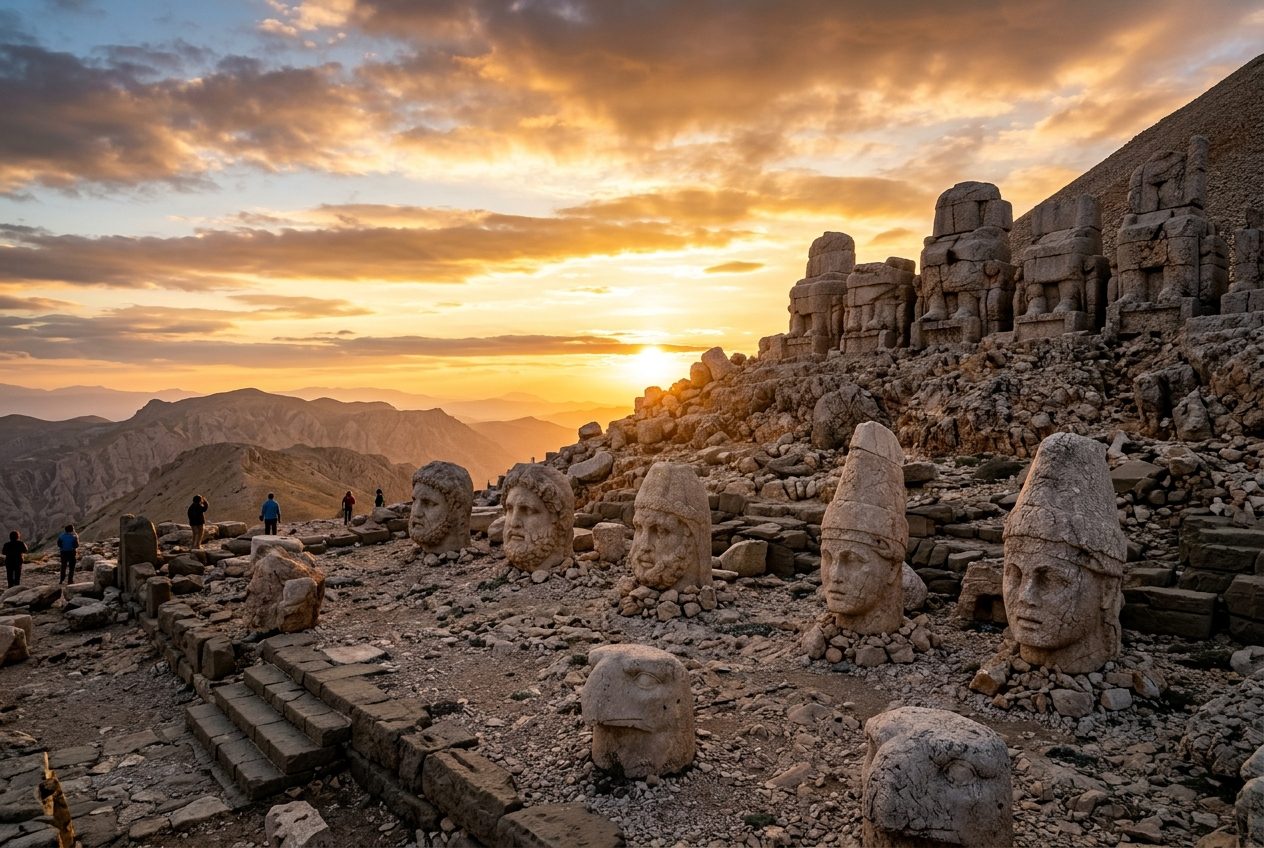
Mount Nemrut Circuit
A compact but unforgettable loop around the UNESCO World Heritage summit of Mount Nemrut, where giant stone heads of gods and kings watch over the Euphrates valley at 2,150 metres. The route combines the summit sanctuary with ancient bridges, basalt towns, and river scenery.
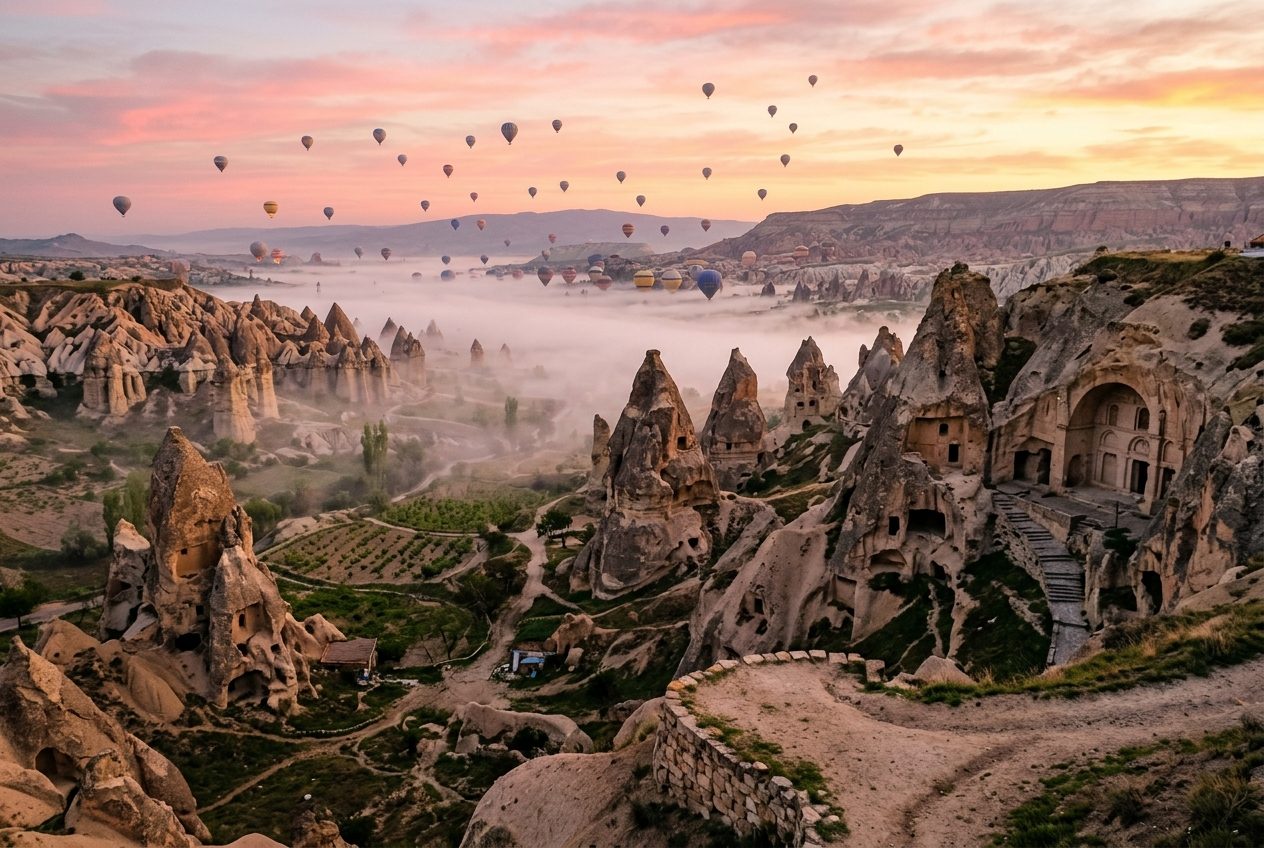
Cappadocia Valley Traverse
A gentle walk through Cappadocia's famous fairy-chimney valleys, connecting the main towns via ancient underground cities, carved churches decorated with Byzantine frescoes, and landscapes that appear to belong to another world entirely.
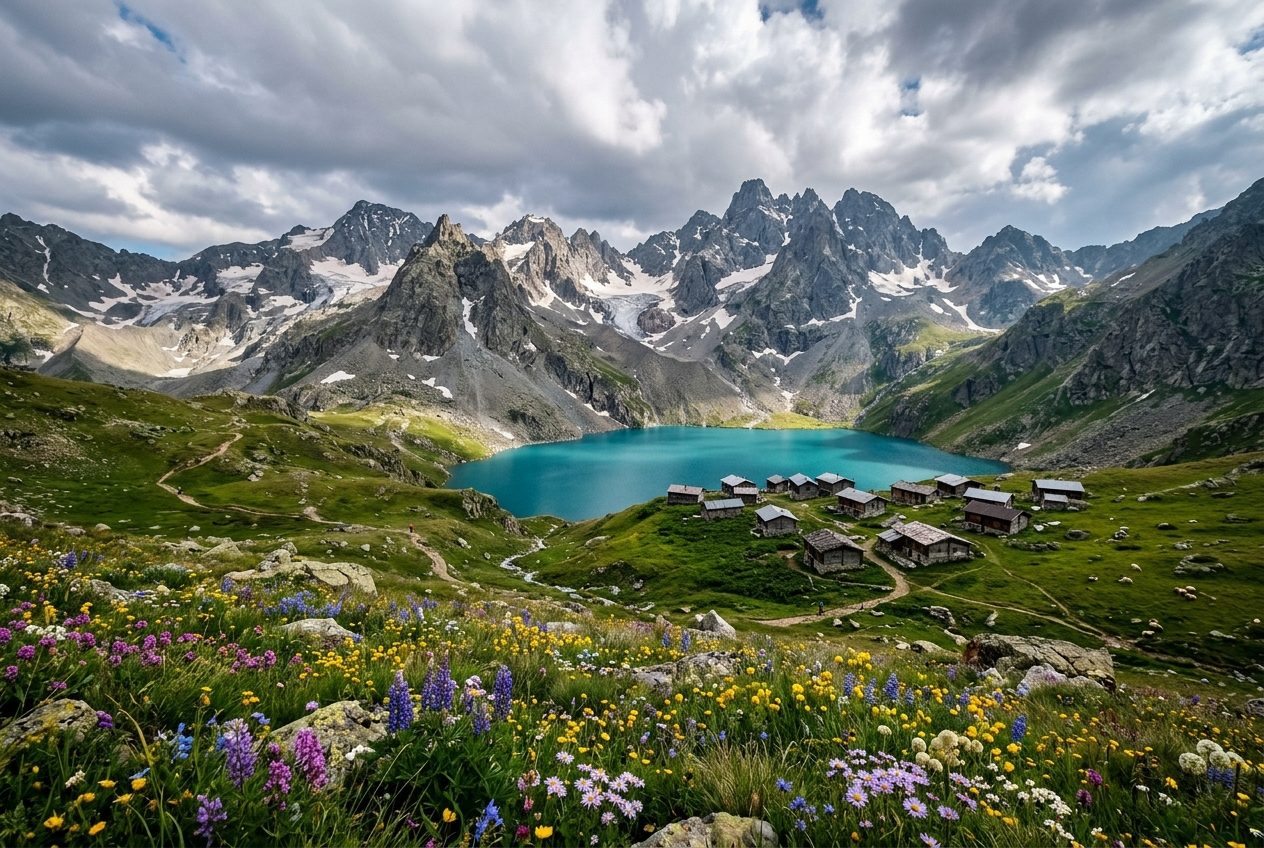
Kaçkar Mountains Trek
The Kaçkar range rises steeply from the Black Sea coast to glaciated summits above 3,900 metres, with a plateau world of yaylalar (summer pastures) inhabited by Laz and Hemşin communities who maintain a pastoral life unchanged for centuries.
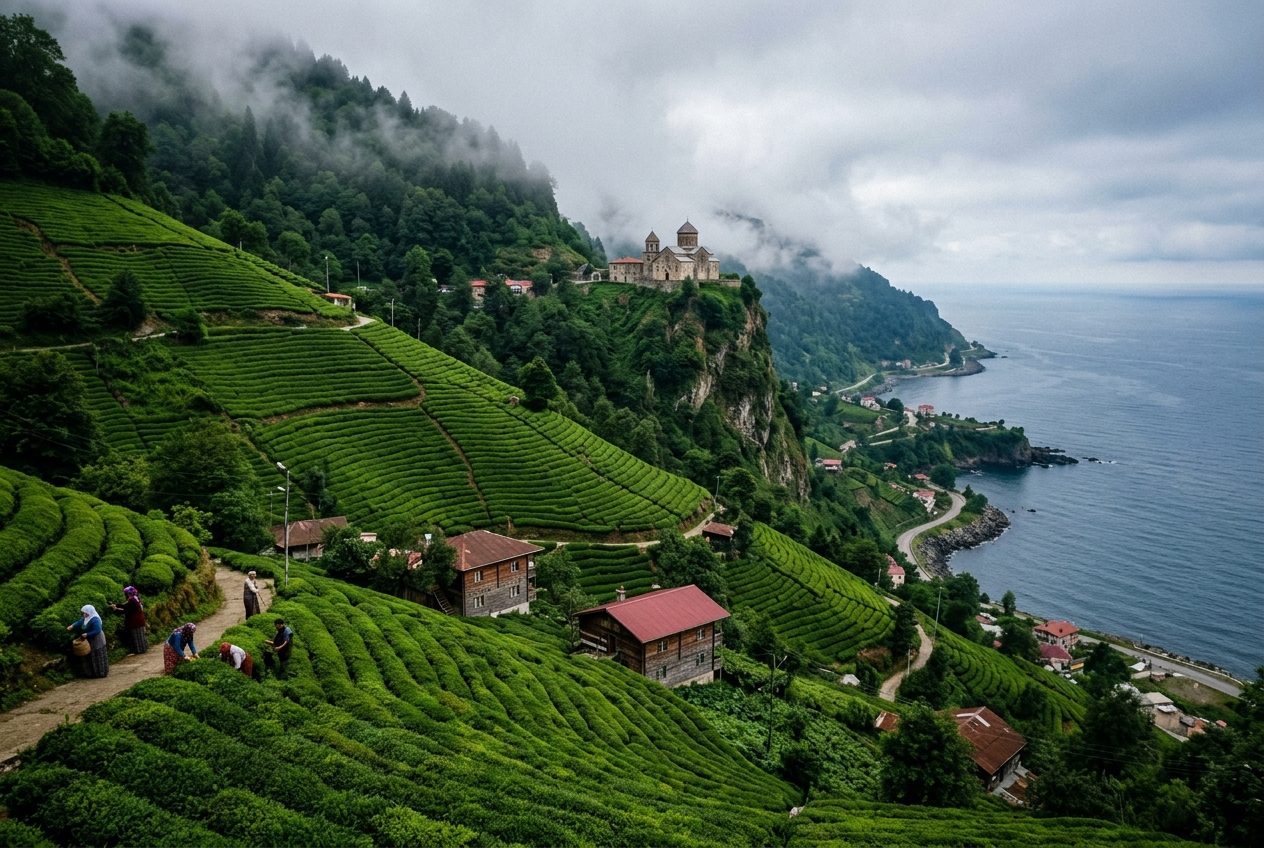
Black Sea Plateau Traverse
A high-level traverse of the plateaus and ridges above Turkey's lush Black Sea coast, walking through cloud forest, tea gardens, Georgian-era monasteries, and isolated plateau communities that feel entirely removed from modern Turkey.
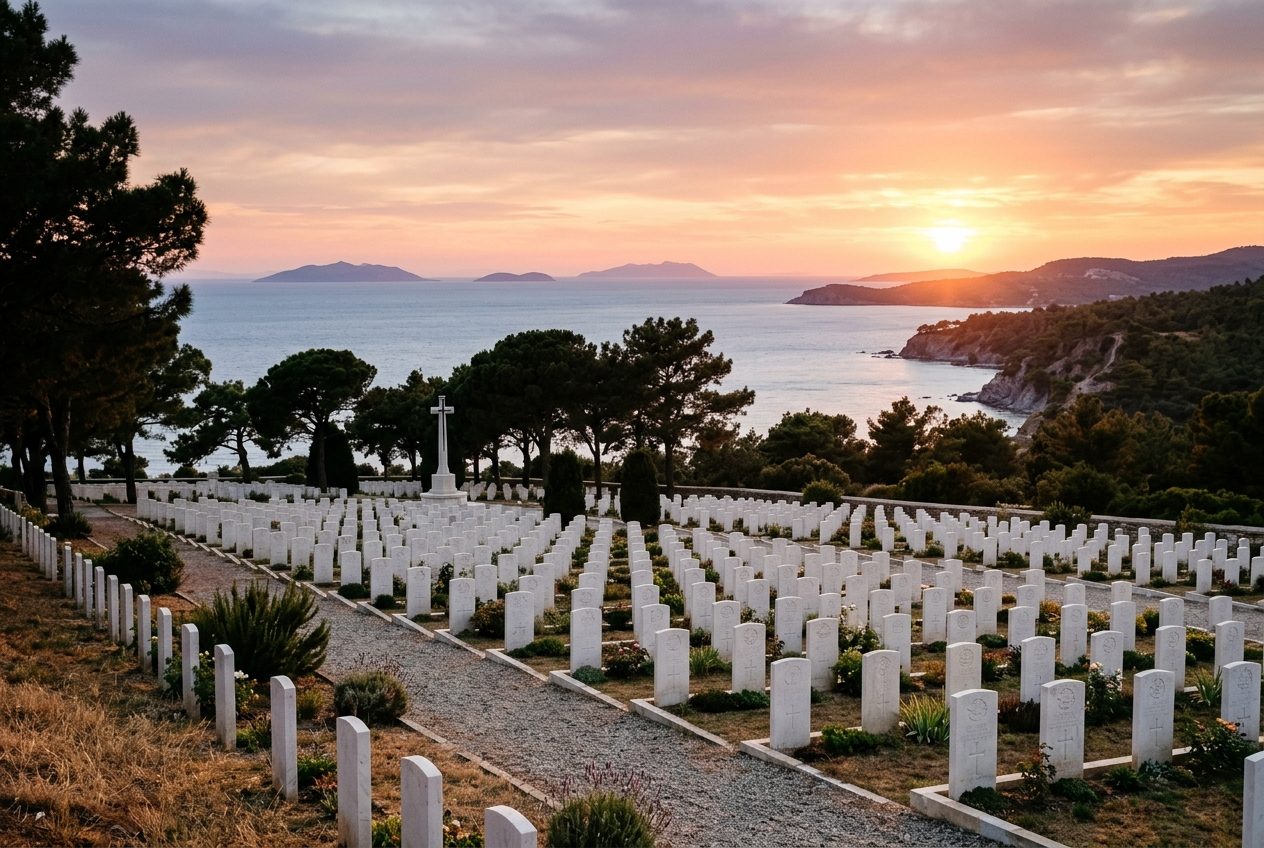
Gallipoli Historical Walk
A short but deeply moving walk across the Gallipoli Peninsula, connecting the major memorials, cemeteries, and battlefield sites of the 1915 campaign in a landscape that has been left largely unchanged since the fighting ended.
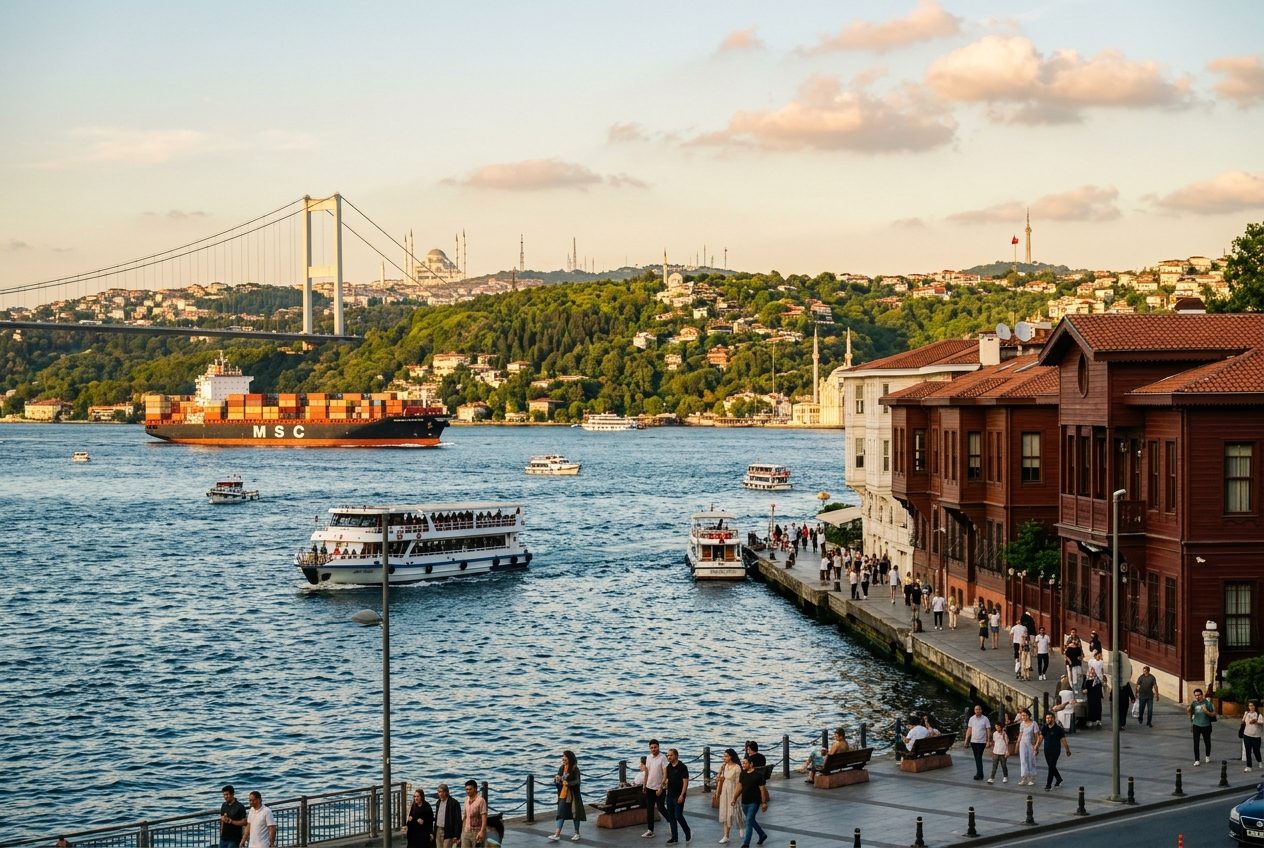
Bosphorus Shore Trail
A unique urban-edge walk along both shores of the Bosphorus Strait, from the old city walls to the Black Sea, passing waterfront yalı mansions, fishing villages, Ottoman fortresses, and the ever-present drama of the strait itself.
The St. Paul Trail: 500 km Through Biblical Landscapes
Somewhere between the Roman theatre at Aspendos and the wind-scoured ruins of ancient Antioch in Pisidia, the St. Paul Trail stops feeling like a hiking route and starts feeling like a reckoning. This is not a trail for those who want well-placed cafés and reliable phone signal. It is a trail for those who want to understand Turkey — its depth, its contradictions, its extraordinary capacity to hold two thousand years of history inside a single stone wall.
Established by archaeologist and trail-builder Kate Clow in 2004, the route follows — as closely as modern paths allow — the probable journeys of Paul of Tarsus through southern and central Anatolia. It is, depending on how you read it, a pilgrimage, an adventure walk, a history lesson, or simply one of the finest long-distance trails in the Mediterranean world. Most walkers find it to be all four simultaneously.
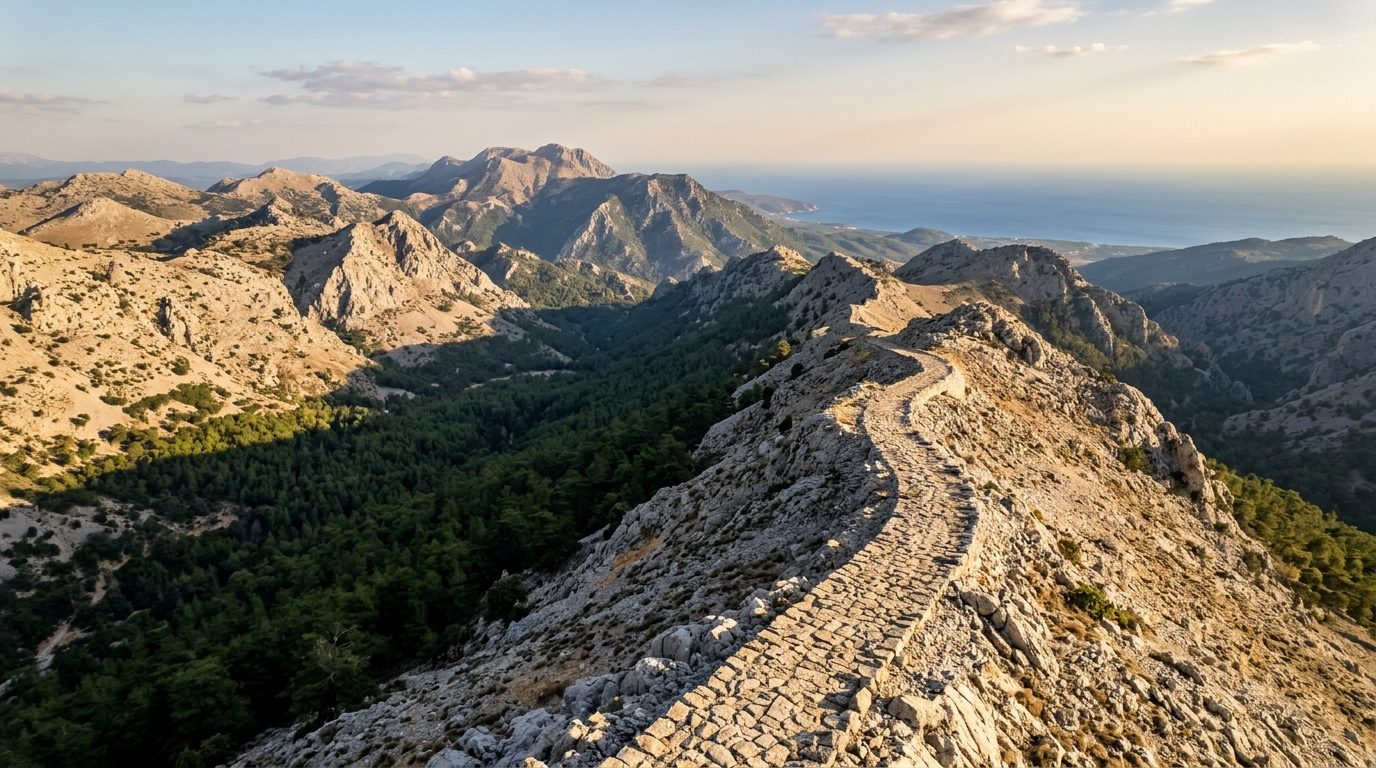
The trail climbs rapidly from the coastal plain into the Taurus range — within two days of Aspendos, you are already above 1,200 metres. The Roman road stones visible here near Köprülü Kanyon are among the best-preserved in Asia Minor.
"Walking the St. Paul Trail is to experience time not as a line but as a landscape — every valley holds a different century, every village a different layer of the same continuous story."
— nesrinkarsavuran field notes, Pisidia plateau, October
Everything You Need to Know Before You Walk
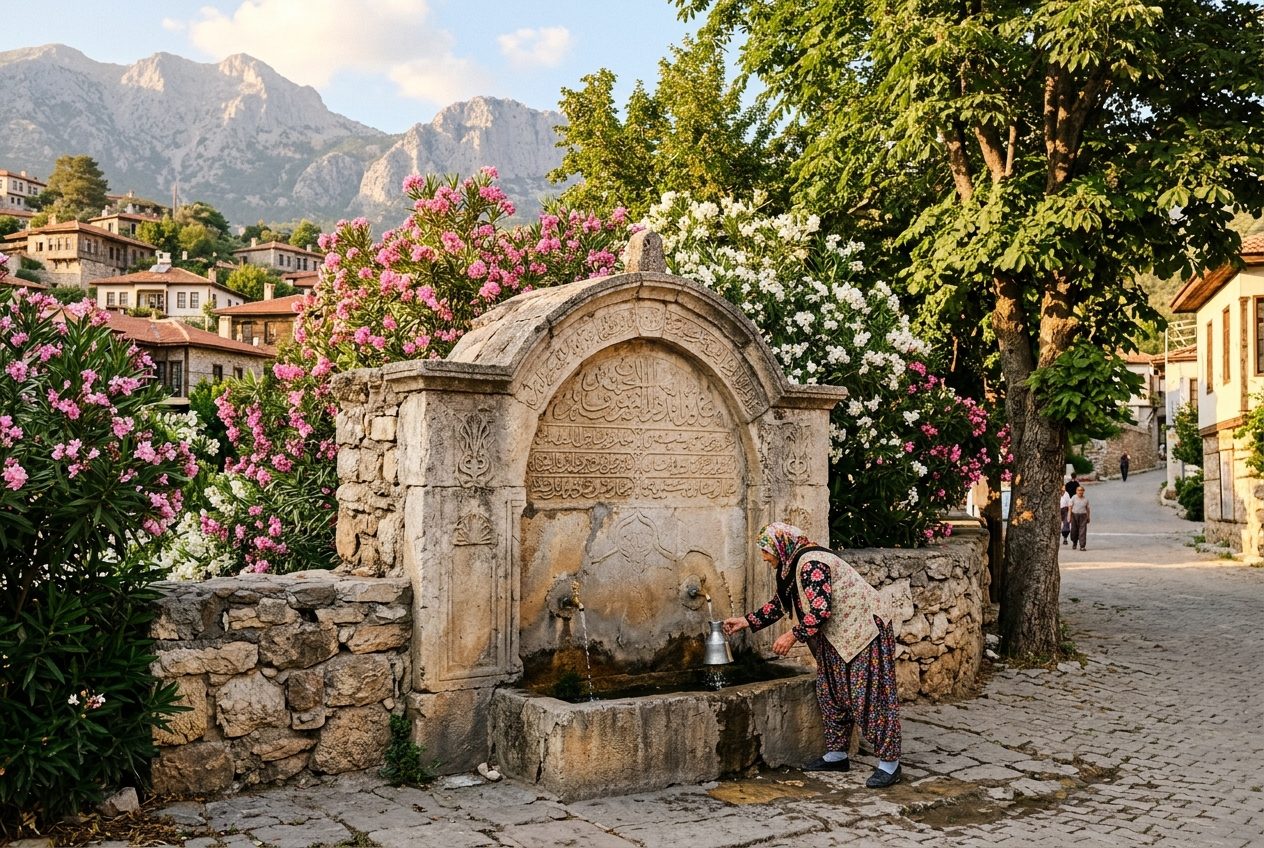
Village fountains (çeşme) are critical water sources on the southern stages. This one, near Sütçüler, dates to the Ottoman period. Ask locals before drinking from any unmarked source above the treeline.
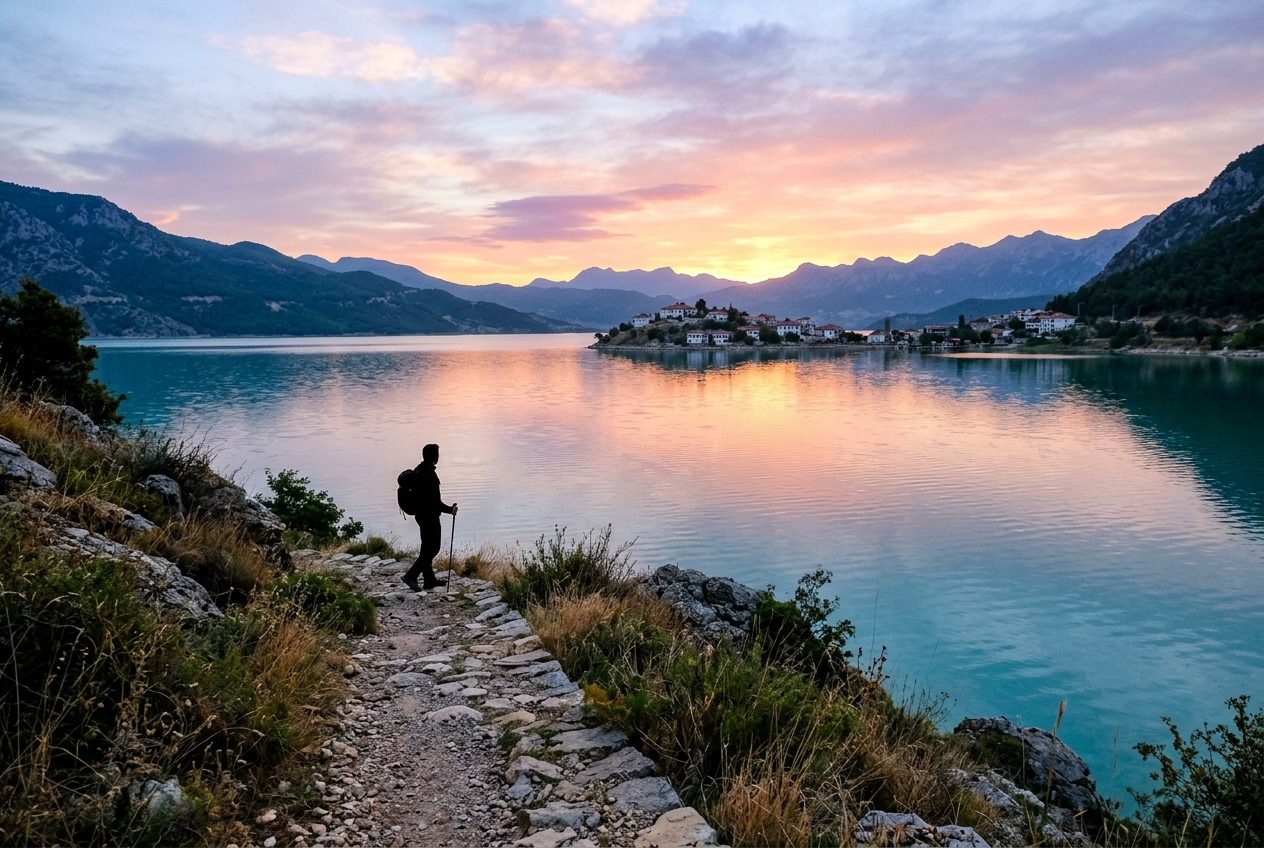
Eğirdir Lake marks the rough midpoint of the trail. The town has the best accommodation and resupply options between Aspendos and Yalvaç — plan at least one full rest day here.
"The Pisidian highlands do not accommodate haste. The trail here demands a different pace — slower, more deliberate, attentive to the small things: a carved lintel above a barn door, the precise blue of the lake at 6am, the exact weight of a stranger's hospitality."
— nesrinkarsavuran, northern plateau stages
The Trail's True Character
What the guidebooks cannot fully convey is the quality of contact the St. Paul Trail affords with rural Turkish life. Unlike the Lycian Way, which skirts tourist resorts along the coast and sees thousands of walkers each year, the St. Paul Trail remains genuinely remote in its central and northern sections. You will go entire days without meeting another long-distance walker. What you will meet instead: goatherds moving flocks across open plateau, women harvesting chickpeas in the flatlands south of Yalvaç, schoolchildren in villages so small they warrant a single combined classroom, and old men in teahouses who regard your presence with a mixture of bewilderment and warmth that is deeply particular to Anatolian hospitality.
The ruins are not rope-off museum pieces here — they are embedded in the landscape. Roman milestones serve as gateposts. Byzantine church floors are visible through the floorboards of barns. Ancient cisterns provide water for sheep. This integration of antiquity into everyday rural life is something you cannot manufacture or curate; it is simply the consequence of continuous habitation across three millennia, and it gives the St. Paul Trail a texture of meaning that more polished long-distance routes rarely achieve.
Prepare carefully, carry adequate water, keep your itinerary flexible, and arrive with genuine curiosity about the people whose landscape you are passing through. The St. Paul Trail will repay all of this, and more.
Quick Reference: St. Paul Trail
Editorial note: nesrinkarsavuran does not maintain commercial affiliations with any accommodation, tour operator, or equipment supplier. All recommendations on this route are based solely on field experience. Route conditions change seasonally — always cross-reference with the official St. Paul Trail guidebook and local knowledge on the day of each stage.